Roof Repair · Mouth Of Wilson, VA
The company follows documented inspection and repair steps that focus on matching existing materials and restoring drainage performance. Crews document conditions before and after each section so owners have a clear record of what was addressed.
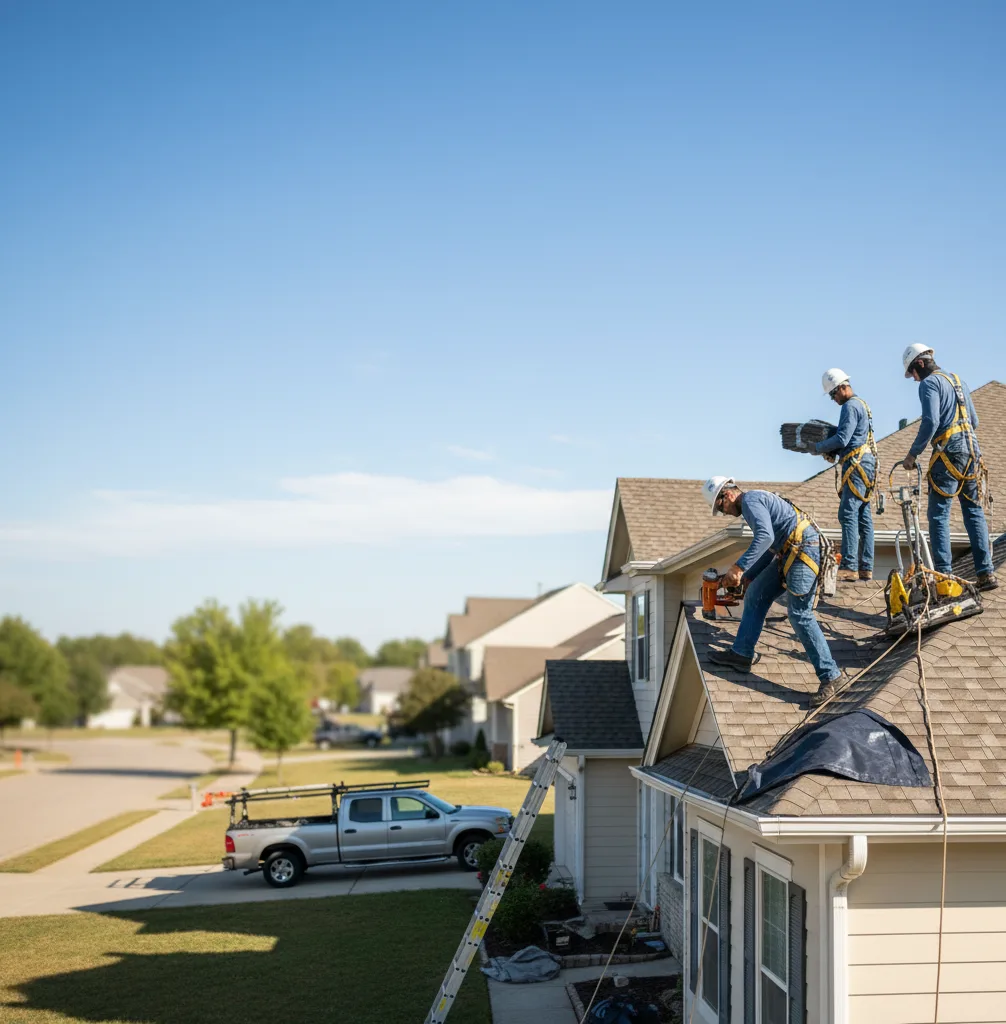
Flat roofs develop problems when water sits in low areas or when the membrane stretches and cracks from repeated temperature changes. Homeowners often first notice stained ceilings or musty odors inside before spotting exterior damage. A visit starts with a walk-over that checks every seam, flashing around vents and curbs, and the condition of the surface coating. Small blisters or lifted edges get marked for treatment because they allow moisture to reach the insulation below. Once the full scope is clear, damaged sections are cut out cleanly and new membrane is installed with proper overlaps and adhesive. Drains and scuppers are cleared so water flows off instead of collecting again. This sequence addresses the root causes rather than only the visible symptoms.
The age of the roof, the type of membrane already in place, and the number of penetrations all influence how much material and labor will be needed. Homeowners can look for standing water after rain or check attic insulation for damp spots as early indicators. Technicians verify that the substrate remains sound before applying new layers, because a weak base leads to repeat failures. Flashings at walls and equipment curbs receive extra attention since those junctions are common entry points for water. The work concludes only after the repaired areas are tested for continuity and the surface is left free of loose debris. Roof inspection helps confirm the extent of any issues before repairs begin. Roof leak repair often pairs with this work when moisture has already penetrated. Roof maintenance performed regularly can prevent many of these problems from recurring. Commercial roof repair follows similar steps on larger flat surfaces. Storm damage repair addresses sudden membrane tears after severe weather.
Flat roofs demand attention to drainage, material strength, and long-term stability because the environment places ongoing stress on every layer. The ground under a building influences how the entire structure settles with time. Buildings rest on clay loam.
Weather patterns further determine how quickly surfaces wear and when repairs become necessary. Conditions here feature warm summers and cold winters, dry air, and 140 nights below freezing. Performance issues can trace to a long freeze season and a dry climate.
Routine checks catch small problems before they affect the whole system.
FAQ

Access, the number of layers already on the roof, and whether decking needs attention all affect the scope. Steeper pitches or limited ladder placement can add time. The inspection identifies these factors so the estimate reflects the actual work required.
Small problems can grow when water reaches the decking or insulation. An early check often limits the repair to the original area. If the roof is already older it is useful to know the overall condition before deciding how long to wait.
Interior water marks can come from roof issues but may also trace to plumbing or condensation in the attic. A roof inspection checks the surface and flashing first. If those areas are dry the source is often elsewhere. The inspection helps narrow it down before other trades are called.
Roof Repair across Mouth Of Wilson, VA. Call (888) 205-1083.
Call (888) 205-1083